


Most people who walk into a casino or open an online betting account assume the house always wins because the games are rigged. That's not how it works. The house wins because of something far more boring and far more powerful: math. Once you understand how casino edge actually functions — in slots, in poker, in sports betting — you stop being a customer and start thinking like a player. This isn't a lecture on quitting gambling. It's a breakdown of what's really happening when you place a bet, and how to make smarter decisions inside that reality.
What the House Edge Actually Means
Every casino game carries a built-in mathematical advantage for the operator. That percentage is called the house edge, and it's not a fixed tax on every hand. It's an average over hundreds of thousands of plays. In European roulette, for example, the single zero gives the house a 2.7% edge. American roulette, with its double zero, jumps to 5.26%. Same wheel speed, same ball, same excitement — nearly double the cost of playing. That gap alone should tell you that game selection matters more than luck. Some of the clearest guidance on this comes from สล็อต.
Blackjack played with basic strategy can bring the house edge below 1%. Slot machines, depending on the jurisdiction and the specific title, typically sit somewhere between 2% and 10%, with some progressives running higher. Video poker variants like Jacks or Better, played optimally, can drop under 1%. The point isn't that one game is "better." The point is that the edge is knowable, and knowing it is the difference between entertainment and slow financial leakage.
Slots: The Most Misunderstood Game in the Building
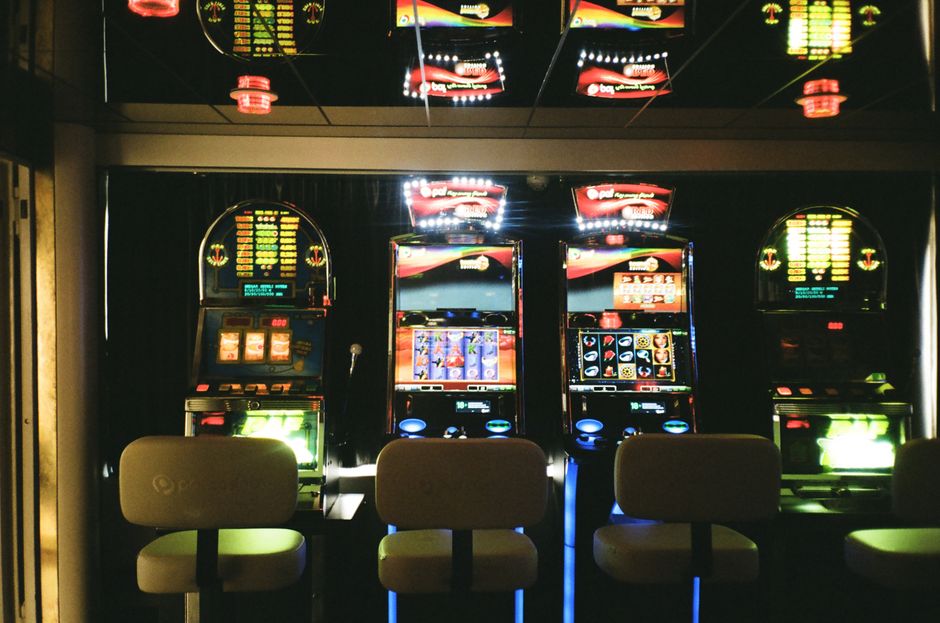
Slots get a bad reputation because they feel random, and in many ways they are. Modern slot machines use a Random Number Generator that cycles through thousands of outcomes per second. You don't pull a lever on a mechanical sequence — you hit a button on a mathematical snapshot. But randomness doesn't mean the payout is unknowable. Every regulated slot publishes a Return to Player percentage, or RTP.
A 96% RTP slot returns, on average, 96 cents for every dollar wagered over millions of spins. A 92% RTP slot returns 92 cents. On a hundred-dollar session, the difference looks small. Over a year of regular play, it's enormous. Here's what actually matters when you sit down at a slot:
- Volatility: High-volatility slots pay rarely but large. Low-volatility slots pay often but small. Match volatility to your bankroll, not your mood.
- RTP: Look for 96% or higher. Anything below 94% is usually a deliberate design choice to feed the casino, not the player.
- Max bet features: Many jackpots only trigger on maximum stake. Read the rules before you spin.
- Session limits: Decide your loss limit before your first spin. Slot play is fast, and speed erodes discipline.
One concrete tip: if you're playing for entertainment, pick a slot with a stated RTP of 96% or higher and low volatility. If you're chasing a jackpot, accept that you're buying a lottery ticket, not making an investment.
Poker: The Only Game Where You Play the People
Poker is different. The house doesn't play against you — it takes a rake, a small cut of each pot. That means your edge comes from the other players, not from beating the dealer. This is why poker is the one casino game where skill shows up in long-term results rather than being buried under variance.
A solid player at a low-stakes table might win 5 to 10 big blinds per hour. A weak player loses roughly the same. Over a thousand hours, that gap compounds into serious money. But short-term results are brutal. You can play perfectly and lose for weeks. That's not a flaw in the game; it's the price of admission for a game where the edge is real.
Three habits that separate winning players from losing ones
- Position awareness. Acting last gives you information. Playing too many hands from early position is the single most common leak.
- Bankroll management. Never sit at a table with less than 20 buy-ins for the stake you're playing. Variance will test you, and a thin bankroll forces bad decisions.
- Table selection. The softest game in the room beats the toughest game in the city. Find the table with the weakest opponents, not the biggest stakes.
Online poker adds another layer: tracking software and hand histories reveal patterns you'd never notice live. If you're serious, use them. If you're casual, at least review your biggest losing hands once a week. Most players never do, which is exactly why most players lose.
Sports Betting: Information Beats Instinct
Sports betting has exploded in recent years, and with it a flood of bad advice. The truth is that bookmakers build their margin into the odds, usually 4% to 8% on a standard two-way market. Your job is to find spots where the bookmaker's line is wrong. That happens more often than you'd think in less popular leagues, niche markets, and injury-driven line moves.
Professional bettors don't chase wins. They chase value — a bet where the true probability of an outcome is higher than the odds imply. A 2.00 decimal price on a 55% probability is a good bet even if it loses. A 1.50 price on a 60% probability is a bad bet even if it wins. Results over a single weekend mean nothing. Results over a thousand bets mean everything.
The One Rule That Applies to Everything
Whether you're spinning a slot, raising preflop, or backing an underdog, the same principle governs all of it: you are paying a price for entertainment, and the price is the house edge. That's not a reason to avoid iGaming. It's a reason to be deliberate about it. Set a budget you're genuinely comfortable losing. Treat wins as a temporary loan from the casino that you happen to keep. Never chase losses, because the math doesn't negotiate.
The players who last aren't the ones with the best luck. They're the ones who understand the numbers, respect the pace of the game, and walk away when the session stops being fun. Slots, poker, and betting all reward the same trait: patience backed by information. That's not a secret the casino hides. It's the part most people simply never bother to read.


Leave a reply