


Why natural materials suit a riverbank
A bird hide does not need to be a timber shed with a louvred window. On a riverbank, the best hides are often the ones that look like they were never built at all: a woven willow panel, a pile of prunings left to knit together, a strip of camouflaged netting slung between two alders. These cost almost nothing, can be put up in an afternoon, and blend into the landscape in a way that no bought structure ever quite manages.
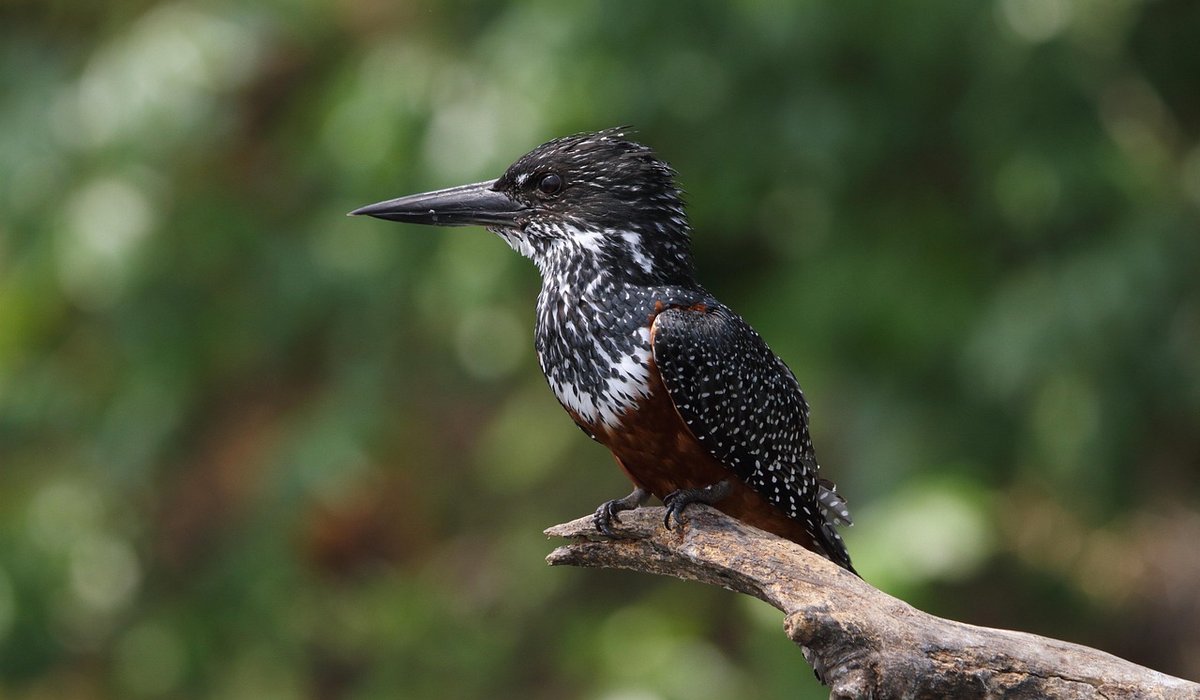
There is also a practical advantage. Rivers are linear corridors, and the wildlife that uses them — kingfishers, grey wagtails, dippers, water voles, otters, the occasional passing goosander — is used to reading the bank for anything out of place. A hard-edged shape on an otherwise soft, tangled edge stands out. Willow, hazel and brash do not.
The one thing natural materials cannot do for you is solve your scent. That is down to where you sit.
Position it downwind, and low
Mammals and birds alike pick up scent on the wind long before they see you. Your scent cone drifts downwind, widening as it goes, so the golden rule is simple: put the hide so the wind carries your smell away from the water, not along or across it. In most of the UK the prevailing wind is south-westerly, so a hide on the north-east bank of a stretch running roughly south-west to north-east will often work in your favour.
Rivers, though, are awkward. Bends, gorges, high banks and bridges all create eddies, and the wind at dawn often behaves differently from the wind at noon. Spend two or three visits just watching which way smoke, seed heads or floating leaves drift before you commit to a spot. If the stretch you love always blows the wrong way, choose a crosswind position instead and keep your profile below the bank top.
A few more things to weigh up:
- Keep the sun behind you where you can. You will see more, and anything facing you will be looking into the light.
- Use an existing backscreen — a holly bush, a fallen alder, a reed bed — rather than building in the open.
- Avoid skylining. A hide on the crest of a bank is visible for hundreds of metres downstream.
- Approach quietly and on a fixed route, ideally behind cover, so you are not regularly crashing through the same marginal plants.
- Stay clear of nesting season. Late autumn and winter are the kindest months to cut and build, and they avoid disturbance to birds on nests and to bankside mammals.
Weaving a willow screen
Willow is the ideal material. Cut rods in winter while the sap is down — crack willow, osier and goat willow all work well — and choose lengths of 1.5 to 2 metres, roughly thumb-thick at the base. Hammer four to six hazel stakes into the ground in a gentle curve facing the water, then weave the rods horizontally between them, alternating the direction of each rod so the panel stays tight. Push each row down firmly as you go; the finished screen should be dense enough that you cannot see daylight through it at eye level.
Leave a viewing slot rather than a window. A gap of 20 to 30 centimetres at sitting or kneeling height, with a few loose fronds across it, gives you a sightline without a rectangle of darkness advertising your position. Sit on a dry log or a folded mat, keep a groundsheet under you, and resist the urge to build high. A low hide you can see over is far better than a tall one you must stand up in.
Fresh willow will often root and sprout. That is not a problem — it makes the hide greener and more convincing — but do check before you build that you are not introducing material to a stretch where it does not already grow.
Dead hedges: the quickest hide of all
If you have brash, prunings or a hedgerow to lay, a dead hedge is the fastest option. Drive two parallel rows of stakes about 60 centimetres apart, then pack the space between them with cut branches, laid roughly horizontally and trodden down hard. A metre of well-packed dead hedge is surprisingly solid, and it will last two or three seasons before it slumps into a habitat pile in its own right.
Dead hedges are excellent for riverbanks because they double as cover for invertebrates and small mammals. Build them along an existing path edge to shape how you approach the water, and they will quietly funnel you to your viewing point without you having to think about it.
Camouflaged netting, used honestly
Netting is the one material worth buying, and it works best as a supplement, not a substitute. Drape it over a hazel frame or between two living shrubs, leaving the top edge irregular and adding a few cut fronds to break up the outline. Attach it loosely so it moves a little in the wind; a rigid sheet of netting flapping stiffly is more conspicuous than nothing at all.
Check it every visit. Netting snags birds, hedgehogs and, near water, the occasional water vole, so keep it well clear of the ground and take it down if you are leaving the site for more than a week or two.
Settling in, and giving back
Once the hide is up, give it a fortnight before you use it seriously. Wildlife needs time to accept a new shape on the bank. Then arrive before first light or in the last hour of the day, move slowly, and keep your hands and face still — they are the parts that give you away.
Finally, look after the place. Clean mud and seeds off your boots between rivers to avoid moving invasive plants along the catchment, take everything home with you, and let the hide weather and green over. A good riverbank hide is one that, by next spring, you have to look for.


Leave a reply