


Why the quietest spots are usually the best
There is something deeply restorative about a picnic beside a rural river. The sound of water over stones, the low hum of insects, the cool air that gathers along the bank even on a warm afternoon. Yet the most memorable spots are rarely the ones with car parks, ice cream vans and a bench with somebody else's initials carved into it. They are the modest, unremarkable places: a wide verge beside a single-track lane, a patch of public green at the end of a footpath, a shingle beach where the river bends away from the road.
Finding them takes a little local knowledge and a willingness to walk a few hundred yards further than everyone else. It also takes care, because quiet riverside places are quiet for a reason — they are often working landscapes, wildlife corridors, or private land that only feels public.
Start with the map, not the car park
Before you pack the hamper, spend ten minutes with a map. An Ordnance Survey Explorer or Landranger sheet will show you what a satellite view cannot: public footpaths, access land, permissive paths, and the difference between a riverside track and somebody's drive.
Look for:
- Public greens and village commons that sit close to a river or stream — many are legally open for quiet recreation.
- Established lay-bys on quiet lanes, particularly where a footpath leads down to the water. These are usually the safest and least controversial places to leave a car.
- Rights of way that run alongside a river for a stretch, giving you a legitimate corridor to walk and a place to sit on the verge.
- Nature reserves and country parks with riverside meadows — they often have quiet corners away from the main visitor area.
Avoid anywhere that requires you to climb a gate, cross a fence, or squeeze past a sign saying "private". If in doubt, assume you are not welcome. A short walk to a truly public spot is always better than an awkward conversation with a landowner.
Reading the bank before you sit down
Once you have found a likely stretch, take a moment to read it. The best picnic spots share a few practical qualities. They are flat enough for a blanket, high enough to be clear of any sudden rise in water, and set back a little from the edge of the bank. River levels can change quickly after rain upstream, even if the sky above you is blue.
Look for a spot with dappled shade rather than full sun — midges and horseflies are far less persistent in a breeze, and a little cover keeps the sandwiches cool. Avoid sitting directly under trees with low branches where birds are clearly active, and give a wide berth to gravel islands, reed beds and overhanging vegetation. These are prime nesting and feeding areas.
If the ground is already worn bare, with a flat patch and perhaps a few stones arranged as a seat, you have probably found a place locals use. That is a good sign. Sit there, and leave it as you found it.
Timing your visit around wildlife
Between spring and late summer, the riverbank is a nursery. Swans, moorhens, kingfishers, sand martins and countless insects are raising young, and disturbance can be serious. A dog off the lead, a child crashing through reeds, or a picnic blanket placed on top of a nest can all do real harm.
From roughly March to September:
- Keep to established paths and open ground.
- Keep dogs on a short lead near water and near dense vegetation.
- Never let anyone paddle into reed beds or onto gravel islands.
- Observe from a distance and use binoculars rather than moving closer.
Outside that window, the same places feel wilder and emptier — and often make for the best picnics of all.
Pack light, pack out everything
The golden rule of riverside picnics is simple: take everything home. That includes apple cores, crusts, eggshells and fruit stones. They are not "natural" in the way people imagine — they attract rats, gulls and foxes, alter the soil, and look untidy to the next visitor.
A practical kit helps:
- A reusable flask and bottles rather than single-use plastic.
- A cloth or small tarp instead of a disposable groundsheet.
- A rubbish bag you keep with you, not left under a stone for later.
- A small trowel and bag for dog waste if you are bringing a dog — bag it and bin it.
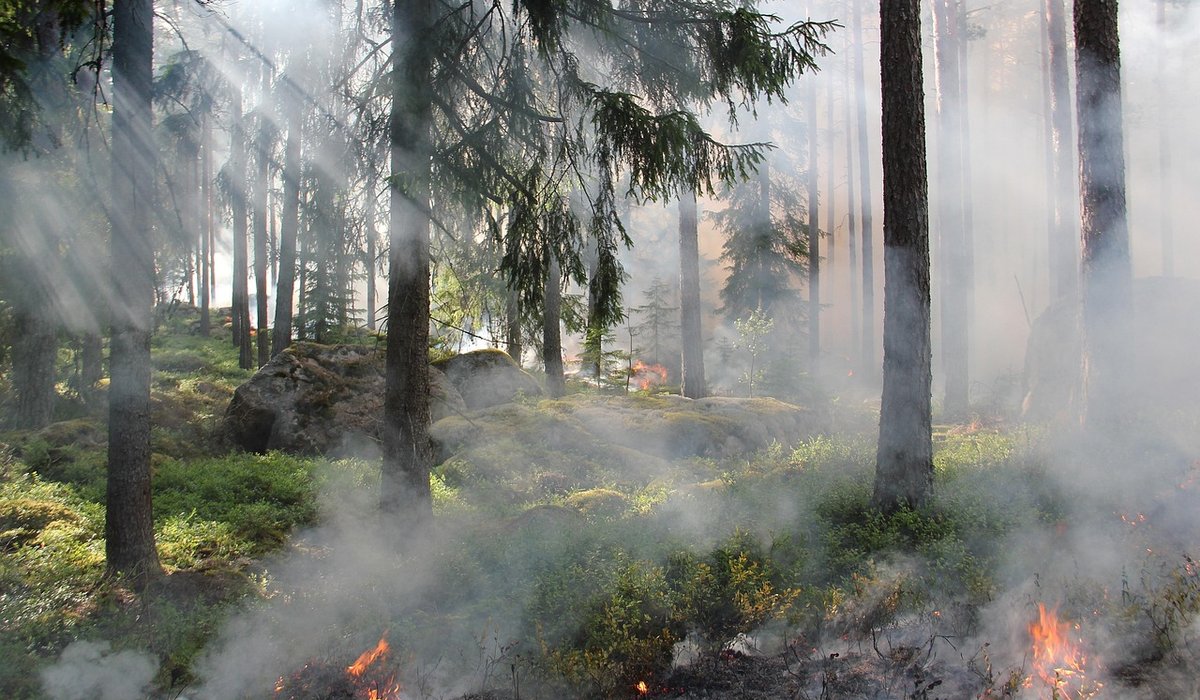
Leave gates as you find them, do not light fires or disposable barbecues on the bank, and resist the urge to dam a stream or build a cairn. Rivers do not need our engineering.
A quieter kind of afternoon
The best riverside picnics are not the ones you plan for weeks. They are the ones you stumble across on a warm evening, when the light is low, the water is loud and nobody else is around. With a map, a little restraint and a willingness to carry your rubbish home, you can find those places again and again — and leave them just as quiet for the next person.


Leave a reply